
Cyber security for AI infrastructure · Cremorne, VIC
Aegiscoreworldai tests enterprise AI for real attackers
Aegiscoreworldai is a Melbourne-based cybersecurity consultancy that stress-tests the AI systems large organisations already run in production, from model endpoints through to the pipelines feeding them.
9
days median from kickoff to first critical finding
2024
engagements across retail, health and government suppliers


AI red teaming
Prompt injection testing
Model registry audits
Pipeline hardening
Guardrail bypass review
Agent tool abuse
Cloud posture for ML
Incident readiness
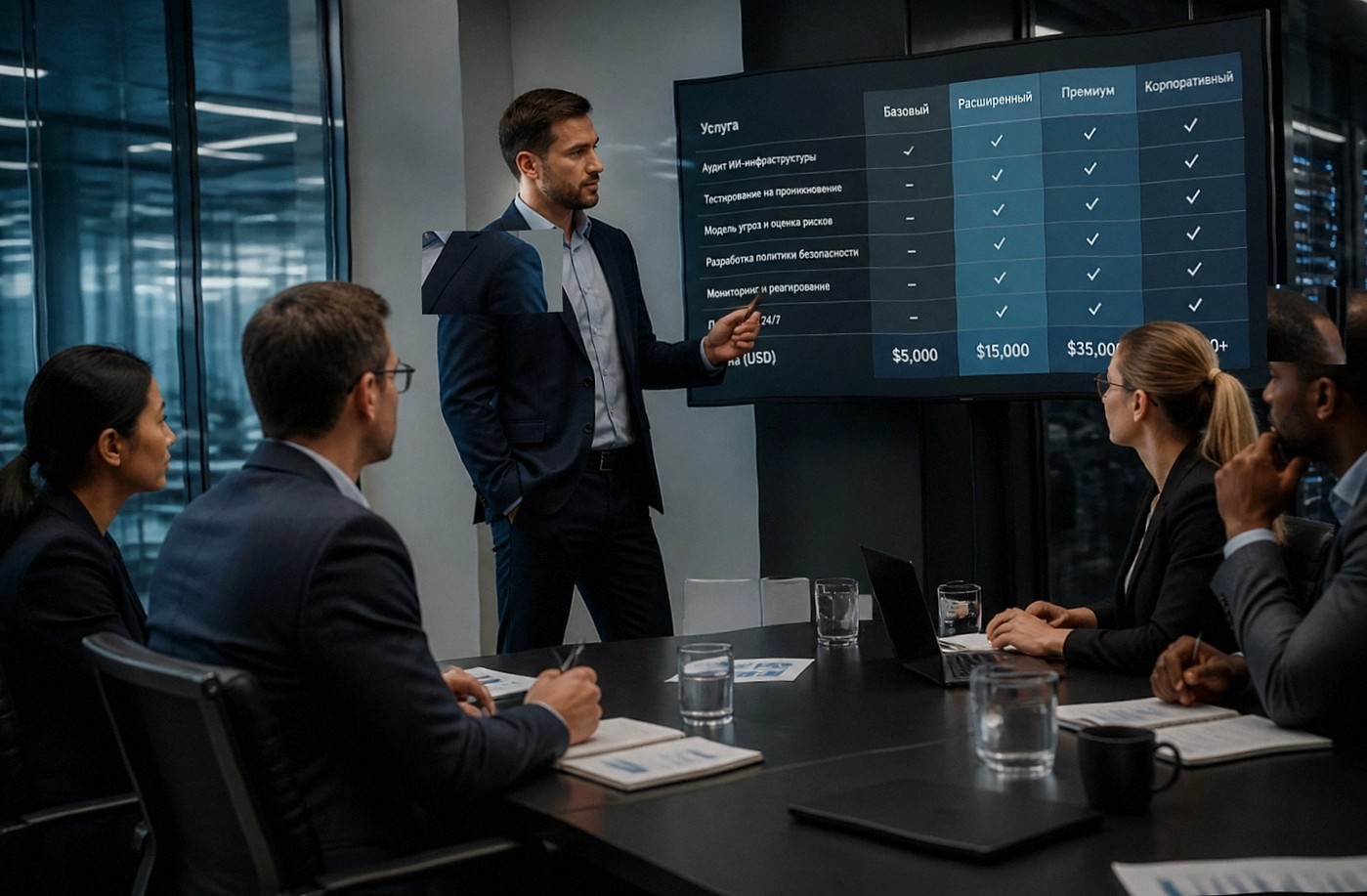
01 / Where the risk actually sits
The model is rarely the soft spot
In almost every review we run, the model behaves about as well as the vendor promised. The trouble starts one layer up or one layer down: a retrieval index that mixes tenants, a service account with write access to the whole data lake, a notebook someone pushed to a public repo in 2022 and never cleaned up.
So we start by drawing the real boundary of your system. That means the endpoints, the vectors, the agents, the schedulers, the humans who can touch all of it, and the third parties who can reach in without asking.
- System and data-flow mapping with your own engineers, not a questionnaire
- Access review across model artefacts, feature stores and inference APIs
- Threat model tied to what your business would actually lose
- Prioritised backlog your platform team can pick up on Monday
You end up with a short list of things that genuinely matter, ranked by how much damage they allow, and a rough estimate of what fixing them costs in engineering hours.
02 / Services
Two engagements cover most of it
Both run as fixed-scope projects with a named lead consultant, weekly working sessions and a written report your auditors can read.
Offensive testing
AI Red Team and Adversarial Simulation
We attack the assistant, the agent and the retrieval layer the way a motivated outsider would. Jailbreaks, indirect prompt injection through documents and email, tool abuse, permission escalation and data exfiltration through side channels.
From A$18,400 for a three-week engagement · Retainer A$9,600 per month
See what the engagement includes
Pipeline and supply chain
Model Supply Chain and Data Pipeline Security
We trace everything that touches your models: training data, feature pipelines, third-party checkpoints, container images, CI jobs and the signing story around releases. Then we test whether any of it can be tampered with quietly.
From A$24,750 for a full audit · Quarterly assurance A$7,400 per cycle
See the audit scopeNeed something smaller to start with? Head to the pricing page for the baseline review, or talk to us about a day rate.
03 / Numbers from our own work
What we keep seeing
2,480
adversarial prompts run across client engagements in the last twelve months
38
model endpoints and artefacts we map on an average enterprise review
71%
of registry items had no named owner the first time we looked
4 of 5
clients shipped a guardrail change within a month of the readout
04 / Threat landscape
Five things we find on nearly every job
None of these need a nation-state. A curious contractor with a login and an hour to spare is usually enough.
Risk 01
Instruction smuggling through retrieved content
A support ticket, a PDF or a supplier's invoice carries text your assistant treats as a command. We test this against every retrieval path in scope and show you which documents can trigger an action.
Risk 02
Service accounts that can do too much
Inference jobs often run with credentials that can read the whole warehouse. One prompt-driven mistake becomes a full export.
Risk 03
Shadow models
Pilots from 2023 still running with no owner, no logging and an API key in a config file.
Risk 04
Training data with no provenance
Nobody can say which dataset version produced the current production checkpoint.
Risk 05
Logs that never reach the SIEM
Prompt and response traffic usually bypasses the monitoring you built for web apps. When something odd happens, the evidence is gone in a week, so we check retention and alerting as part of the review.
05 / How we work
Six steps, no surprises
Most engagements finish inside four weeks. You get a weekly written update whether anything dramatic happened or not.
Scoping call
Thirty minutes on what you have built, what worries you and who needs to sign off. We tell you straight away if you do not need us.
Access and ground rules
Test accounts, a shared channel, an out-of-hours contact and a written agreement on what we will not touch .
Reconnaissance
We map the system, the deployments and the people who can change them, then pick the paths worth chasing.
Attack runs
Manual testing with your team watching. Every attempt is logged with a timestamp, a payload and a result.
Findings review
A working session where we walk through each issue, argue about severity with your engineers and agree the order of work.
Retest and handover
We come back once the fixes ship, try the same attacks again and tell you what still gets through.
06 / Client view

They found the retrieval leak in the first week and spent the next two proving how far it reached. Our platform team had patches in before the report was even bound. That is the part I did not expect.
Head of Platform Security, national retail group
11
critical issues found across two engagements with the same client in 2024
3 weeks
from first workshop to a fully retested environment
07 / Inside the work
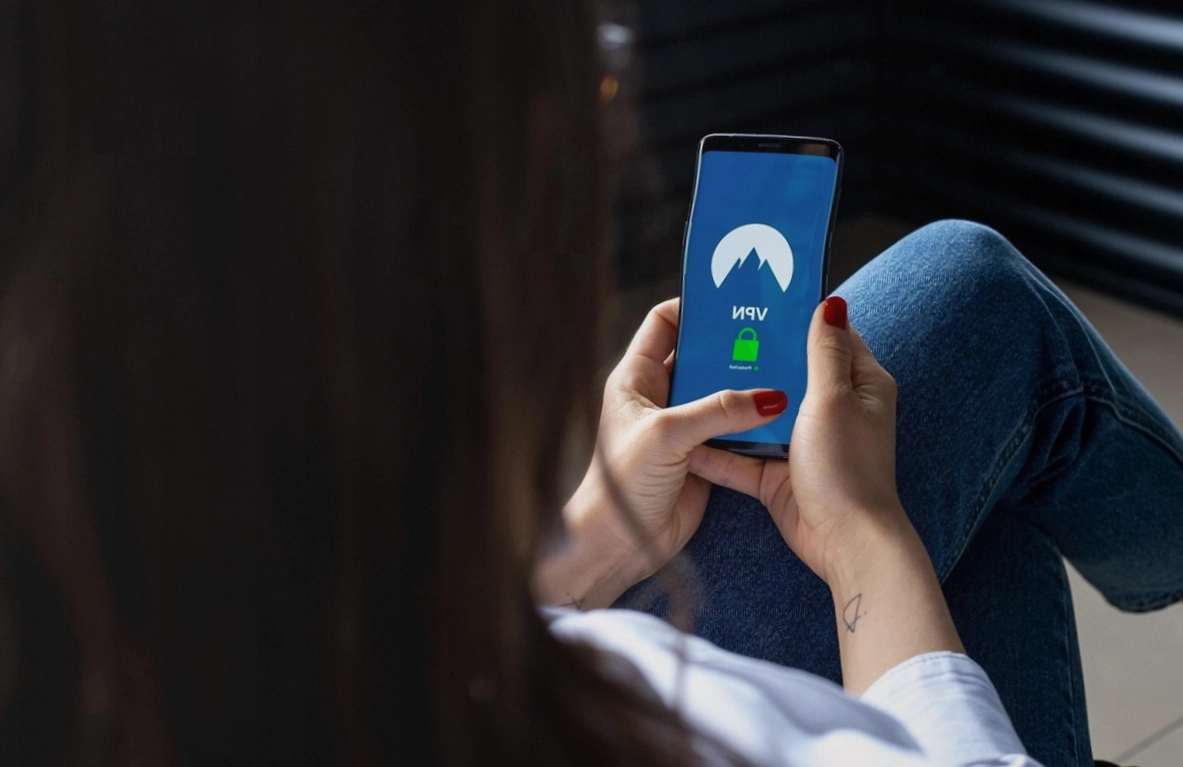
What a test week looks like
Photos from our Melbourne office and client sites. No stock imagery of hooded figures in dark rooms.



08 / Pricing
Clear numbers before you sign anything
All figures are in Australian dollars, exclude GST, and cover consultant time plus the report. Travel outside greater Melbourne is billed at cost.
Baseline review
A$6,900
A four-day look at one AI workload. Good fit for teams that have shipped something small and want an outside opinion before it grows.
- Architecture and access review
- Two days of light adversarial testing
- Written findings with fixes
- One follow-up call after thirty days
Full red team
A$18,400
Three weeks of manual, human-led testing across the assistant, the agents and the retrieval layer, with a retest once your fixes ship.
- Everything in the baseline review
- Multi-week adversarial simulation
- Tool abuse and privilege escalation paths
- Retest included within sixty days
Continuous assurance
A$9,600 / month
For teams shipping model and prompt changes every week. We stay close enough to catch regressions instead of reading about them later .
- Monthly adversarial regression suite
- Release review before major launches
- Pipeline and registry monitoring checks
- Named consultant on your channel
09 / Notes from the team
Things we keep writing about
Short pieces from our own engagements. No vendor pitches, no fear marketing. Read the lot on the blog.

12 March 2025
Prompt injection is still the bug nobody fixes
Guardrails catch the obvious attempts. They do not catch an instruction hidden in the footer of a supplier invoice, and that is the one that moves data.

27 February 2025
Your model registry is probably wide open
We ran a five-point check on eleven registries. Nine of them let a read-only cloud role download production weights without leaving a useful audit trail.
10 / Questions
Asked on nearly every call
If yours is not here, send it to the contact page and we will answer it in plain English, usually the same day.
Preferably yes, because staging environments hide the interesting problems. If that is not possible, we work with a masked copy and tell you upfront which tests we cannot run. In ten years of this we have never needed write access to a live database.
The baseline review runs four working days. A full red team takes three weeks, with the retest inside sixty days. Continuous assurance is a rolling monthly arrangement you can cancel with thirty days' notice.
Yes, and we are happy to sign yours rather than ours. We also carry professional indemnity and cyber liability cover, and we can provide the certificates before the kickoff call.
Not much. The managed platforms take some risk off the table, but the retrieval layer, the agent tools and your own IAM policies are still yours to get wrong. That is where most of our findings land, regardless of the provider.
Your engineers fix them, since they own the code. We stay available through the remediation window, review pull requests when asked and run the retest at the end. For smaller teams we can pair with your developers on the trickier guardrail work.
It stays in the engagement workspace and is deleted at the agreed date, usually thirty days after the final readout. Details are in our privacy policy and the engagement agreement.
11 / Next step
Send us one system and we will tell you what is wrong with it
Describe the workload in a couple of sentences. Within two business days you get a short written opinion on the risks we would expect to find, and whether a paid engagement is worth your money.
Get the monthly security note
One email a month with the findings, mistakes and tooling changes that actually affected our clients. No product announcements, no webinars.
Prefer to talk first? Call +61 3 6491 8273, write to aegiscoreworldai@gmail.com, or visit us at 60 Cremorne Street, Cremorne VIC 3121, Australia. The office is open Monday to Friday, 09:00 to 17:30 AEST.